Global Conference on Artificial Intelligence and Cybersecurity (GCAIC 2026)

Days
Hours
Minutes
Seconds

Global Conference on Artificial Intelligence and Cybersecurity (GCAIC 2026)

Theme: “Artificial Intelligence and Cybersecurity: Building a Secure and Resilient Digital Future”
 

About This Conference
GCAIC 2026 is a global conference bringing together leading researchers, cybersecurity professionals, AI experts, computer scientists, industry leaders, technology innovators, academicians, policymakers, entrepreneurs, and students to explore the rapidly evolving intersection of Artificial Intelligence and Cybersecurity.
The conference provides an international multidisciplinary platform for presenting cutting-edge research, emerging technologies, practical applications, and innovative strategies in AI-driven cybersecurity, cyber threat intelligence, intelligent security systems, data protection, digital forensics, network security, and responsible AI.
The conference will focus on how Artificial Intelligence is transforming modern cybersecurity while also examining emerging threats associated with AI technologies. Participants will have opportunities to exchange knowledge, present research, explore innovative solutions, and develop international collaborations for building secure, resilient, and trustworthy digital ecosystems.
Important Dates
Abstract Submission Deadline: November 30, 2026
Early Bird Registration Deadline: September 30, 2026
Conference Dates: December 08–09, 2026
Conference Topics
The conference welcomes original research and innovations in, but not limited to:
  • Artificial Intelligence in Cybersecurity
  • AI-Driven Threat Detection
  • Machine Learning for Cybersecurity
  • Cyber Threat Intelligence
  • AI-Powered Security Operations
  • Generative AI and Cybersecurity
  • AI-Enabled Cyber Threats
  • Adversarial AI and Machine Learning Security
  • Network Security and Intrusion Detection
  • Cloud Security and AI
  • IoT Security and Intelligent Systems
  • Data Privacy and Protection
  • Digital Forensics and Cybercrime
  • Malware Detection and Analysis
  • Identity and Access Management
  • Blockchain and Cybersecurity
  • Zero Trust Security
  • Critical Infrastructure Protection
  • AI Security and Privacy
  • Responsible AI and Cybersecurity Governance
  • Cyber Risk Management
  • Security Automation and Incident Response
  • Secure AI Systems and Applications
  • Deepfakes and AI-Enabled Social Engineering
  • Quantum Computing and Future Cybersecurity
  • Cyber Resilience and Digital Trust
  • Cybersecurity for Smart Cities
  • Healthcare Cybersecurity
  • Financial Technology and Cybersecurity
  • Future Trends in AI and Cybersecurity
Why Attend?
Participants will have the opportunity to:
  • Present innovative research in AI and cybersecurity.
  • Learn from internationally recognized AI and cybersecurity experts.
  • Explore emerging AI-powered security technologies.
  • Discover innovative approaches to cyber threat detection and prevention.
  • Network with researchers, universities, technology companies, and cybersecurity professionals.
  • Exchange knowledge and practical cybersecurity experiences.
  • Build international research and professional collaborations.
  • Explore publication opportunities in conference proceedings and associated journals.
Benefits of Attending
  • International academic and professional visibility
  • Keynote presentations by distinguished experts
  • Scientific sessions and panel discussions
  • Discussions on emerging AI and cybersecurity technologies
  • Global virtual networking opportunities
  • Research collaborations and institutional partnerships
  • Publication opportunities
  • Abstract publication in the Conference Proceedings Book
  • Industry presentations and technology showcases
  • Opportunities for academic and industry collaboration
  • CPD-accredited participation certificate
Call for Papers
Researchers, AI scientists, cybersecurity professionals, computer scientists, software engineers, academicians, students, industry professionals, startups, policymakers, and technology innovators are invited to submit original research contributions.
We welcome submissions including:
  • Full Research Papers
  • Short Papers
  • Work-in-Progress Papers
  • Industry Case Studies
  • Technical Demonstrations
  • Posters
  • Cybersecurity Technology Showcases
  • AI Security Applications

All submissions will undergo review by the International Scientific Committee.

Indexing & Publication
Accepted abstracts will be published in the official Conference Proceedings.
Selected high-quality full papers may be considered for publication in reputable indexed international journals and conference proceedings, subject to editorial policies, peer review, and applicable terms and conditions.

Honorarium
Honorariums may be offered to selected keynote and invited speakers.
Eligibility and honorarium arrangements will be determined by the organizing committee based on the speaker’s contribution, expertise, and conference participation requirements.

Preliminary Program

Conference sessions

Browse the current session list forArtificial Intelligence and Cybersecurity (GCAIC 2026).

Exploring how AI and machine learning are transforming cybersecurity through intelligent threat detection, automated defense, anomaly identification, and predictive security solutions

Examining AI-powered approaches for identifying cyber threats, detecting suspicious activities, automating incident response, and strengthening real-time security operations

Examining AI-powered approaches for identifying cyber threats, detecting suspicious activities, automating incident response, and strengthening real-time security operations

Exploring machine learning techniques for analyzing cyber threat data, identifying attack patterns, predicting emerging threats, and improving threat intelligence capabilities.

Exploring AI-driven approaches to securing networks, cloud infrastructures, connected systems, and distributed digital environments against evolving cyber threats.

  • Impact of quantum computing on current encryption
  • Public-key cryptography and quantum threats
  • Post-quantum cryptography (PQC)
  • This session focuses on the cybersecurity challenges that may arise from advances in quantum computing. It examines the limitations of conventional cryptographic techniques and discusses post-quantum cryptography, cryptographic migration, quantum-resistant algorithms, and strategies for preparing organizations for a quantum-enabled future.


  • This session explores the use of artificial intelligence and machine learning to improve cybersecurity operations. It covers intelligent threat detection, behavioral analytics, anomaly detection, malware identification, automated incident response, and AI-assisted security monitoring.


  • Quantum machine learning combines concepts from quantum computing and artificial intelligence to investigate new approaches to complex computational problems. This session examines emerging quantum machine-learning techniques and their potential applications in cybersecurity, threat classification, optimization, and pattern recognition.

  • This session examines how AI can help organizations process large volumes of cybersecurity information and identify potential threats. Researchers can discuss intelligent threat intelligence platforms, automated information analysis, predictive techniques, and real-time security monitoring.


  • Generative AI is creating new opportunities as well as new security considerations. This session examines the cybersecurity implications of large language models and generative AI systems, including AI-generated content, model security, data privacy, prompt-related risks, and defensive applications.


This session explores the practical implementation of Artificial Intelligence (AI) and Machine Learning (ML) in healthcare, with a strong focus on cybersecurity and data protection. It will discuss how AI/ML can support clinical decision-making, medical diagnosis, patient monitoring, predictive analytics, and healthcare automation. The session will also examine cybersecurity challenges such as patient-data privacy, cyberattacks, model manipulation, adversarial threats, and secure AI deployment. Participants will gain insights into developing secure, reliable, ethical, and scalable AI/ML solutions for modern healthcare systems.

Exploring adversarial attacks, AI model vulnerabilities, data poisoning, evasion techniques, and strategies for developing robust and secure AI systems.

Examining AI-powered cybersecurity solutions for IoT devices, smart cities, industrial systems, healthcare technologies, and critical infrastructure.

Exploring the use of AI in digital forensics, cybercrime investigation, evidence analysis, malware detection, and identifying sophisticated cybercriminal activities

Discussing emerging trends, autonomous cyber defense, next-generation security technologies, AI-driven resilience, and the future of intelligent cybersecurity.

Explores the design and implementation of intelligent systems capable of adaptive decision-making. Topics include edge intelligence, cyber-physical systems, IoT-driven intelligence, robotics, and smart city technologies.

This session explores the rapidly developing intersection of quantum computing, artificial intelligence, and cybersecurity and its implications for the future of digital security. Quantum computing has the potential to transform computational capabilities while also creating new challenges for widely used cryptographic systems. At the same time, AI can support cybersecurity through intelligent threat detection, anomaly identification, automated security monitoring, and incident response.

The session will bring together researchers, academics, cybersecurity professionals, AI specialists, quantum computing experts, industry representatives, and students to discuss emerging technologies, security challenges, practical applications, and future research directions.

Applications of machine learning and AI for threat detection, malware analysis, network monitoring, anomaly detection, and automated cybersecurity operations.

Discussion of quantum-based approaches to secure communication, including principles, applications, implementation challenges, and limitations.

Emerging approaches that combine quantum computing with machine learning for optimization, classification, pattern recognition, and cybersecurity applications.

Research into protecting cloud platforms, networks, databases, and digital infrastructure against future quantum-enabled threats.

Emerging research opportunities involving quantum-safe AI, intelligent security systems, quantum-resistant infrastructure, and next-generation digital security.

This session explores how Artificial Intelligence is being implemented across modern healthcare systems to improve patient care, diagnosis, treatment, and clinical decision-making. It will highlight practical applications of AI in medical imaging, predictive analytics, personalized medicine, remote monitoring, and healthcare automation. The session will also discuss the challenges of data privacy, ethics, cybersecurity, and responsible AI adoption. Participants will gain insights into how AI can support healthcare professionals and contribute to more efficient, accessible, and patient-centered healthcare.

Submit your abstract

Mail your abstract to kynexaconference@gmail.com or submit it online using the form below.


Featured speakers

  • GCAIC 2026
Tenny Enoch Devadas

Principal Engineer at Fidelity Investments with over 20 years of experience in software engineering, cloud architecture, and enterprise automation

Leong Ying Mei

Senior Lecturer in the Department of Computer Science, Faculty of Information and Communication Technology, Universiti Tunku Abdul Rahman (UTAR), Malaysia

Sindhura Kannappan

Dr. Sindhura Kannappan is an Assistant Professor at MEASI Institute of Management, Chennai, with expertise in Organisational Behaviour, Human Resource...

Arzu Barské

International AI and technology executive, entrepreneur, author, and founder of Argon AI Technologies (ARGONAIT), with senior leadership experience at IBM,...

Nishawn Smagh

Principal intelligence liaison and a senior executive at GreyNoise Intelligence, where he leads collaboration with global government and enterprise partners...

Tarun Kalwani

Principal Engineer with over 19 years of experience in architecting, designing, and delivering secure, scalable, and high-performance enterprise systems in...

Vera Kovaleva

Founder and architect of RAI Robotics Advanced Intelligence, an AI architecture for autonomous robots, including humanoids

Antony Alangaram

Principal Engineer and Enterprise Architect specializing in modern software architecture, production engineering, cybersecurity, and cloud resilience

Chandra Shekhar Pareek

His professional and research interests focus on intelligent Quality Engineering, AI-assisted test automation, software reliability, policy administration systems, and emerging...

Sakera Begum

Artificial Intelligence and Predictive Analytics Researcher, IT Consultant, and Data Analyst currently pursuing a Doctor of Computer Science at the...

Catherine Ganduri

Her professional background includes enterprise workflow modernization, reporting automation, platform development, governance-focused system processes, and AI research

Mini Agrawal

Assistant Professor (Senior Grade-III) at Amity Business School, Amity University Madhya Pradesh, India

Lokesh Karanam

He currently works at RR Donnelley (Austin, TX) and previously held a role as a Software Development Engineer at Amazon...


D Jayanthi

Associate Professor in the Department of Information Technology at Sri Venkateswara College of Engineering (SVCE), Sriperumbudur, Tamil Nadu
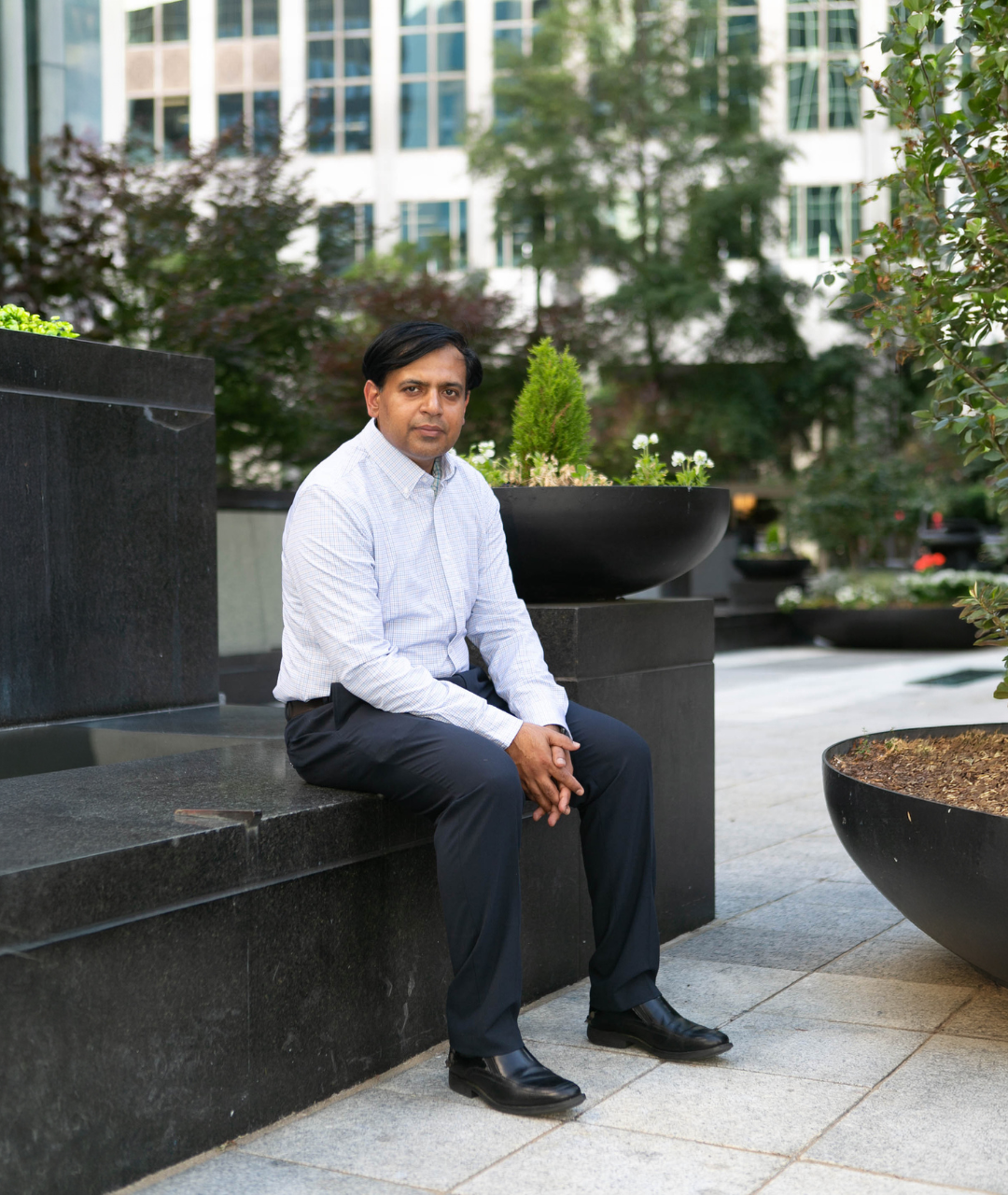
Mukesh Kumar Mishra

IEEE Senior Member and technology professional with over 18 years of experience in Software Quality Engineering, Data Validation, Cloud Computing,...

Natarajan Ravikumar

Technology Executive | Cybersecurity, Infrastructure, Cloud & AI Strategist | Executive Leader in Digital Defense and Enterprise Transformation
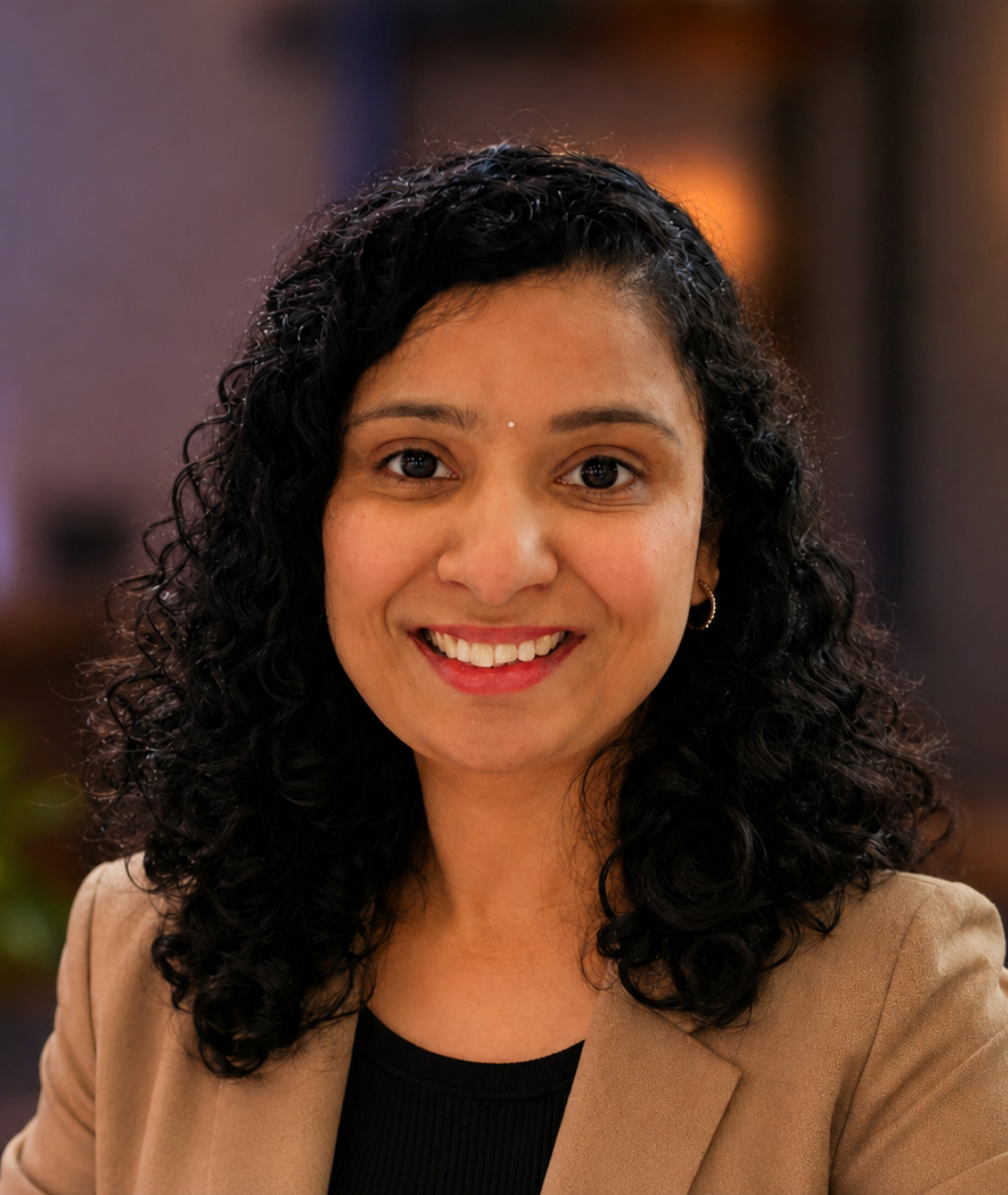
Sergey V Parshin

Technical Sciences and Professor at the Institute of New Materials and Technologies, Ural Federal University, Russia.

Anne Holappa

Anne Holappa, PhD, is a Visiting Scholar at the University of Turku specializing in Digital Culture. Her research is grounded...
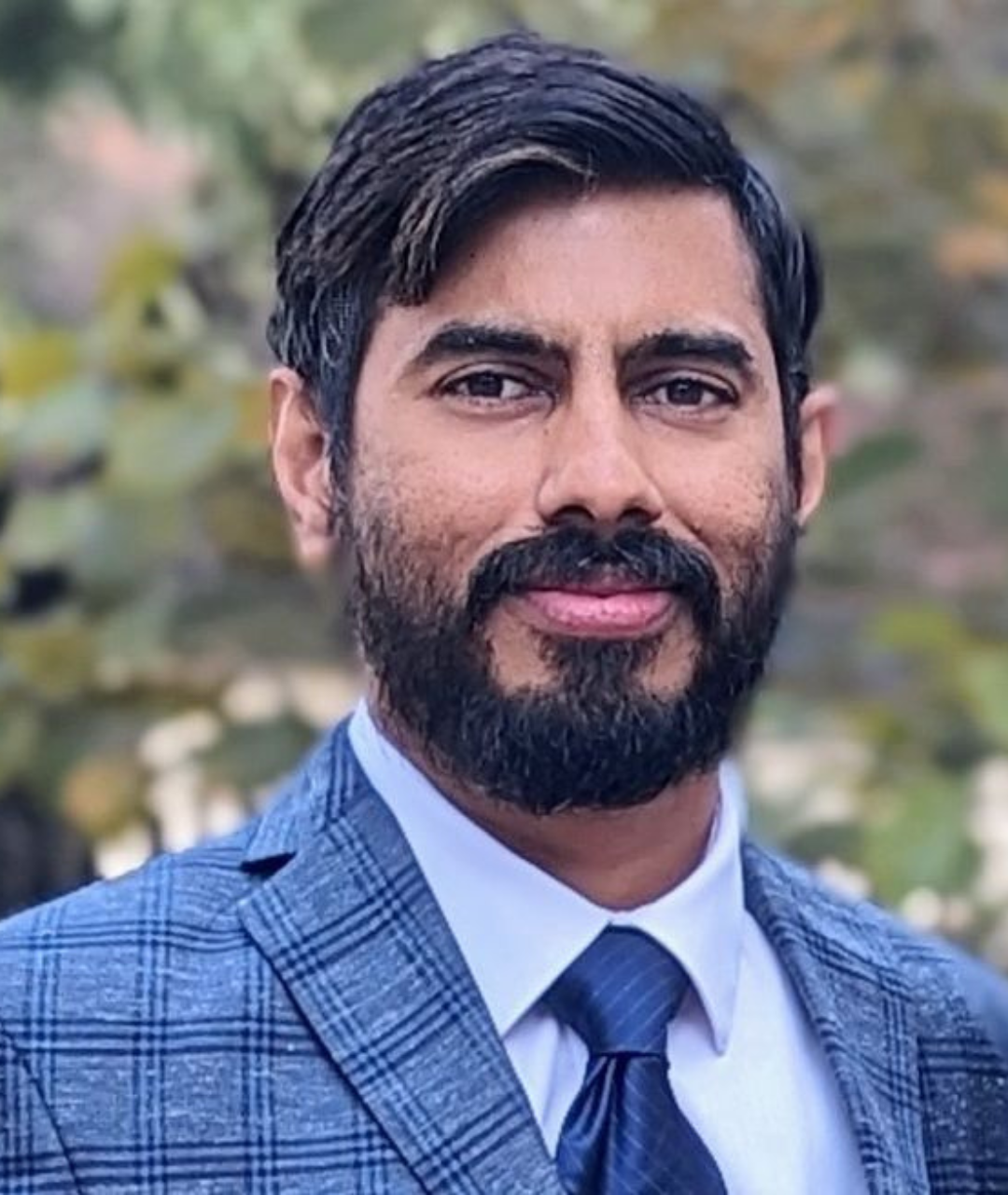
Arun Harikrishnan

Transformational Technology Executive with over 15 years of progressive experience in IT infrastructure engineering and more than a decade of...

Jui Mhatre

PhD candidate and Graduate Research Assistant in Computer Science at Kennesaw State University

Ratnesh Dwivedi

Prof (Dr) Ratnesh Dwivedi is a Seasoned and Award-Winning Media Academic from Russian Communication Association,Moscow


Arulmozhi Guru Gokul

AR. Guru Gokul is a Post Graduate Engineer in Computer and Communication Engineering with a passion for teaching and exploring...
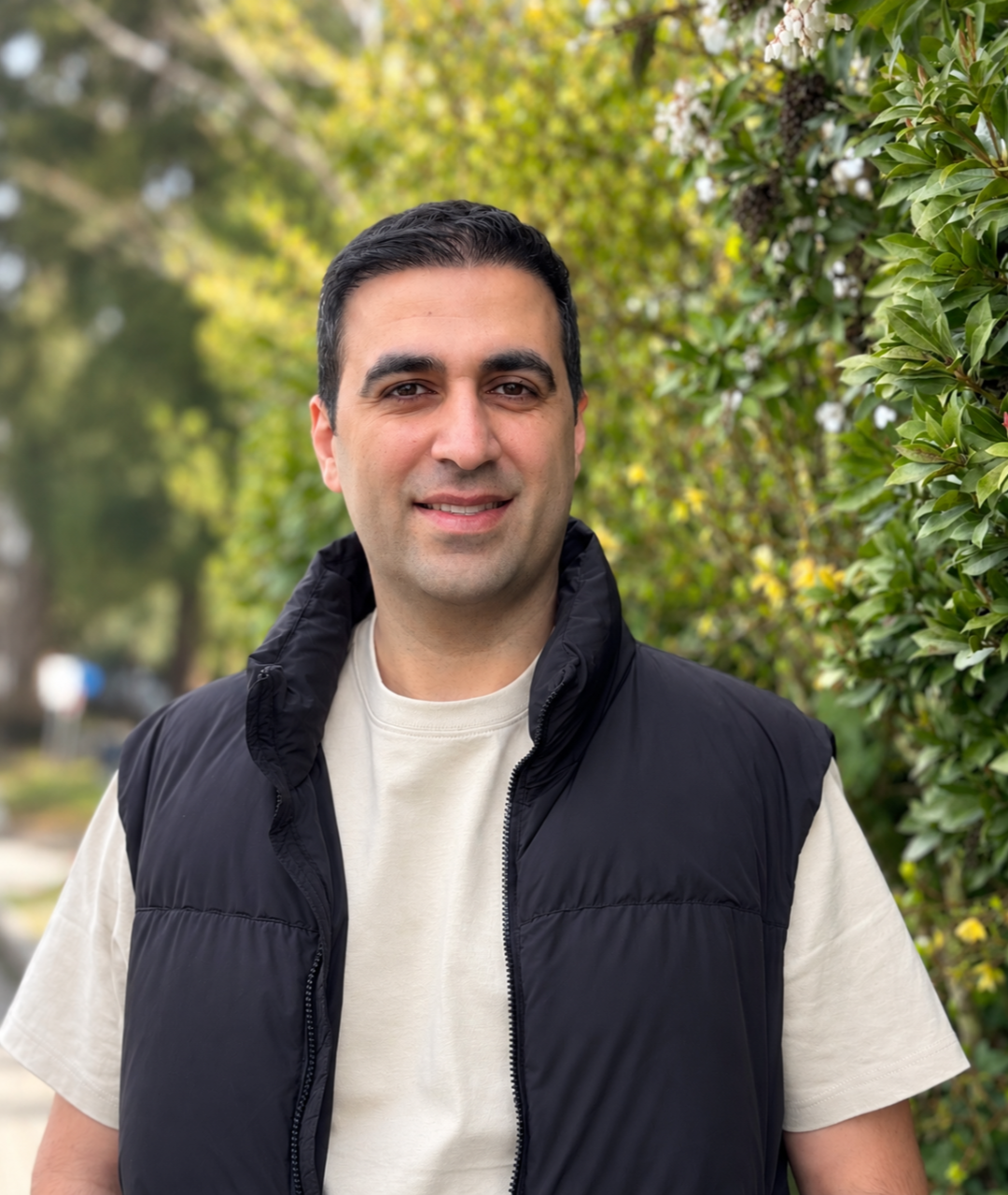
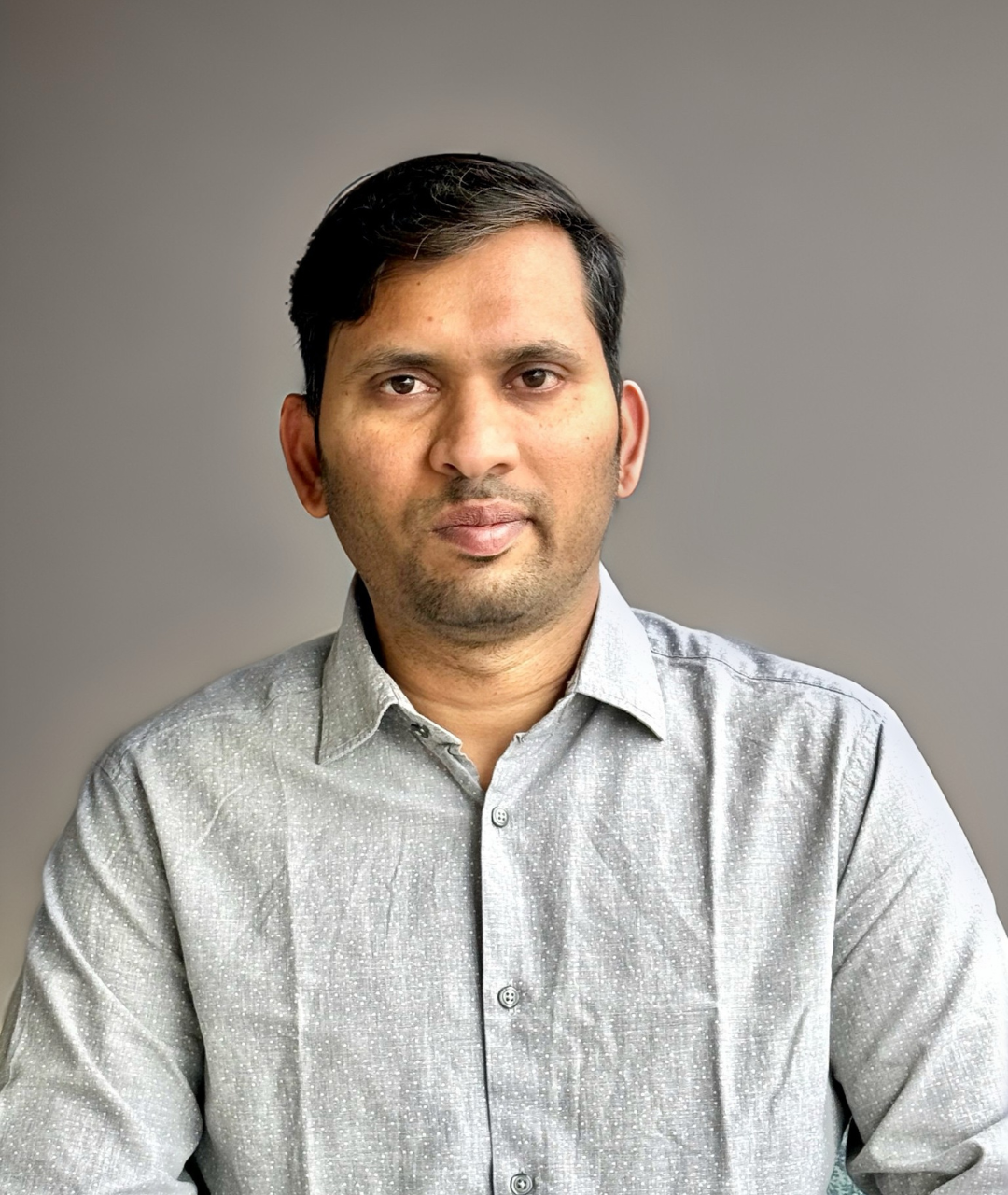
Sateesh Rao Pala

SAP S/4HANA, SAP EWM, OTC, P2P, Supply Chain Transformation, Warehouse Automation, System Integrations, Global ERP Rollouts, Localization & Compliance, AMS...
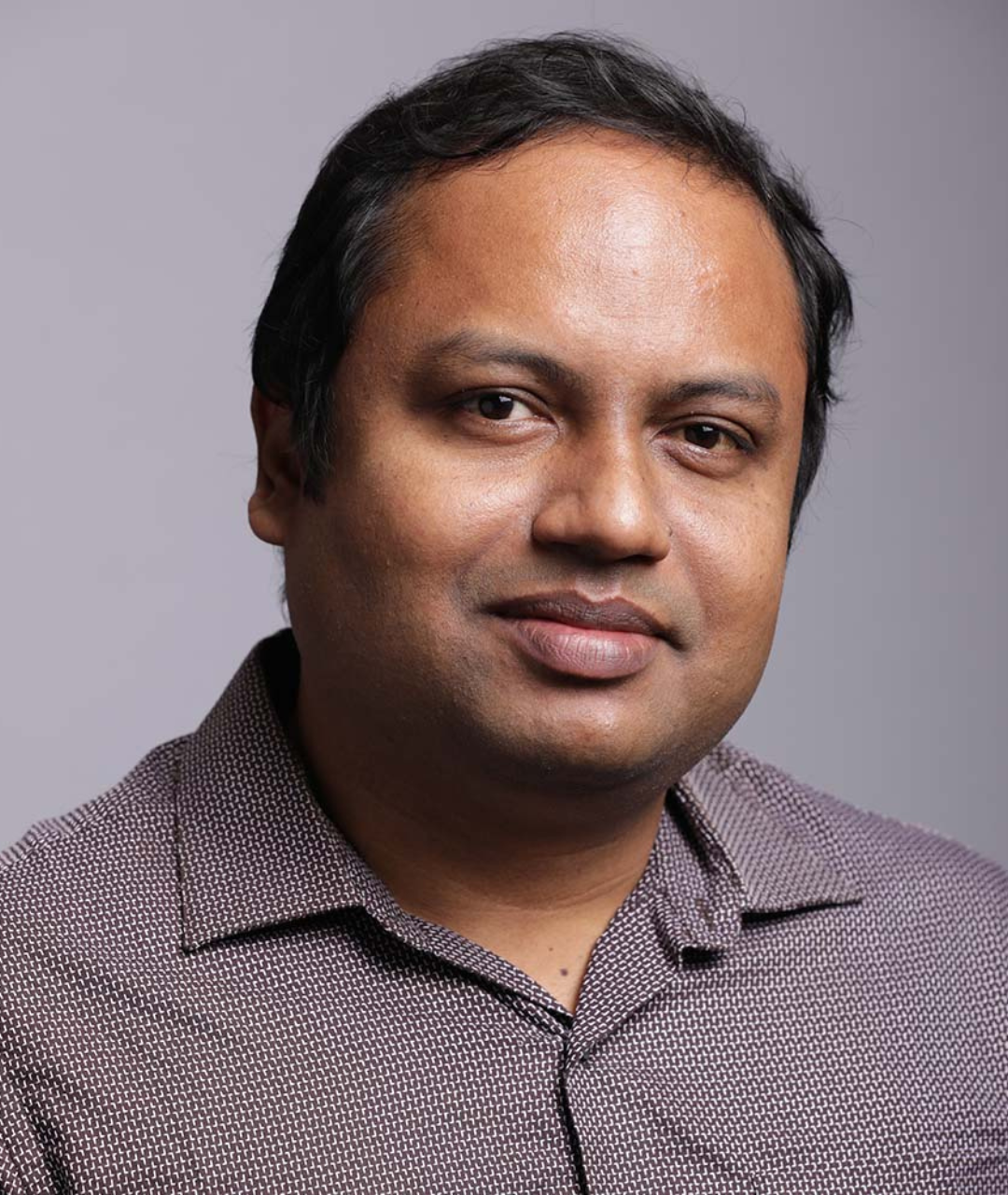
Bidhan Biswas

Senior AI and Software Engineer specializing in artificial intelligence, agentic AI, financial transaction security, fraud detection, and large-scale enterprise systems.

Shivali Naik

Senior Technical Architect specializing in cloud data platforms, AI-driven solutions, and enterprise technology architecture

Kamalakar Reddy Singi

Technology professional and researcher whose work focuses on artificial intelligence, machine learning, cloud-native computing, microservices, and intelligent data analytics

D Preethi Shri

Assistant Professor in the Department of Artificial Intelligence and Data Science at Kongu Engineering College, Perundurai, Tamil Nadu, India

Kiran Adnan

Assistant Professor and Head of Programme for the Master of Computer Science at the Faculty of Information and Communication Technology


Stephen Mackay

r Stephen Mackay is an independent researcher, healthcare entrepreneur and strategy professional based in Melbourne, Victoria. He holds a Doctorate...

Ankur Bhatnagar

Senior Member of IEEE, Ankur also contributes to the technology community through technical publications, peer reviewing, judging, mentoring, and professional...
Arul Leena Rose

Dr. P.J. Arul Leena Rose is Professor & Head, Department of Computer Applications, SRM Institute of Science and Technology, Kattankulathur,...

Riyazuddin Mohammed

He is also actively engaged in professional and scholarly activities involving artificial intelligence, cloud computing, cybersecurity, DevSecOps, and reliability engineering.

Guillermo Francia

Dr. Guillermo A. Francia III is a Professor and Director of Research and Innovation at the University of West Florida...
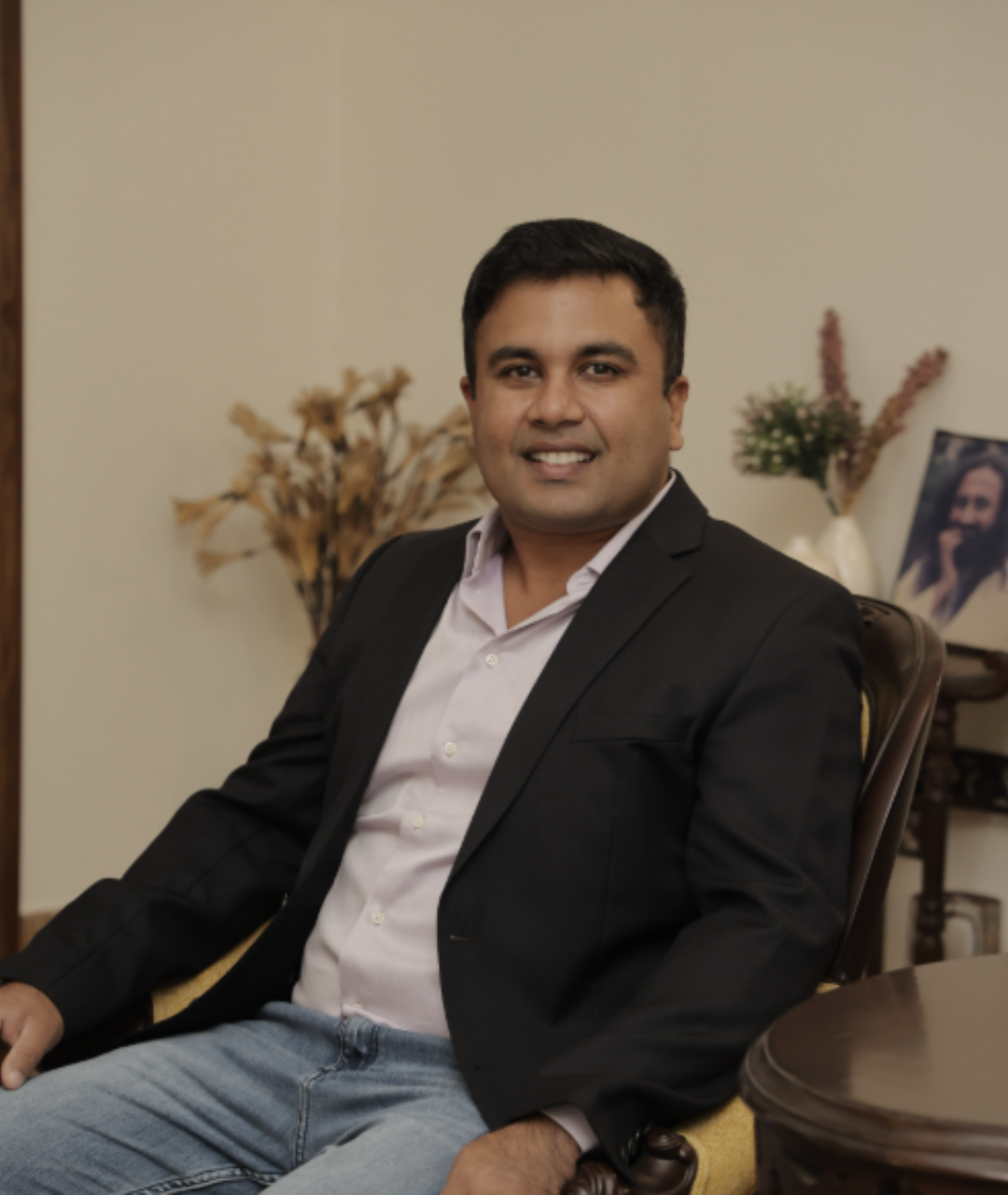
Udit Agarwal

His professional achievements have been recognized with the Google "Tech. Impact" award and the Walmart eCommerce 'Make a Difference' award.

Siddharth Chandwani

He specializes in designing and delivering robust integration architectures using Microsoft Azure, APIs, and microservices
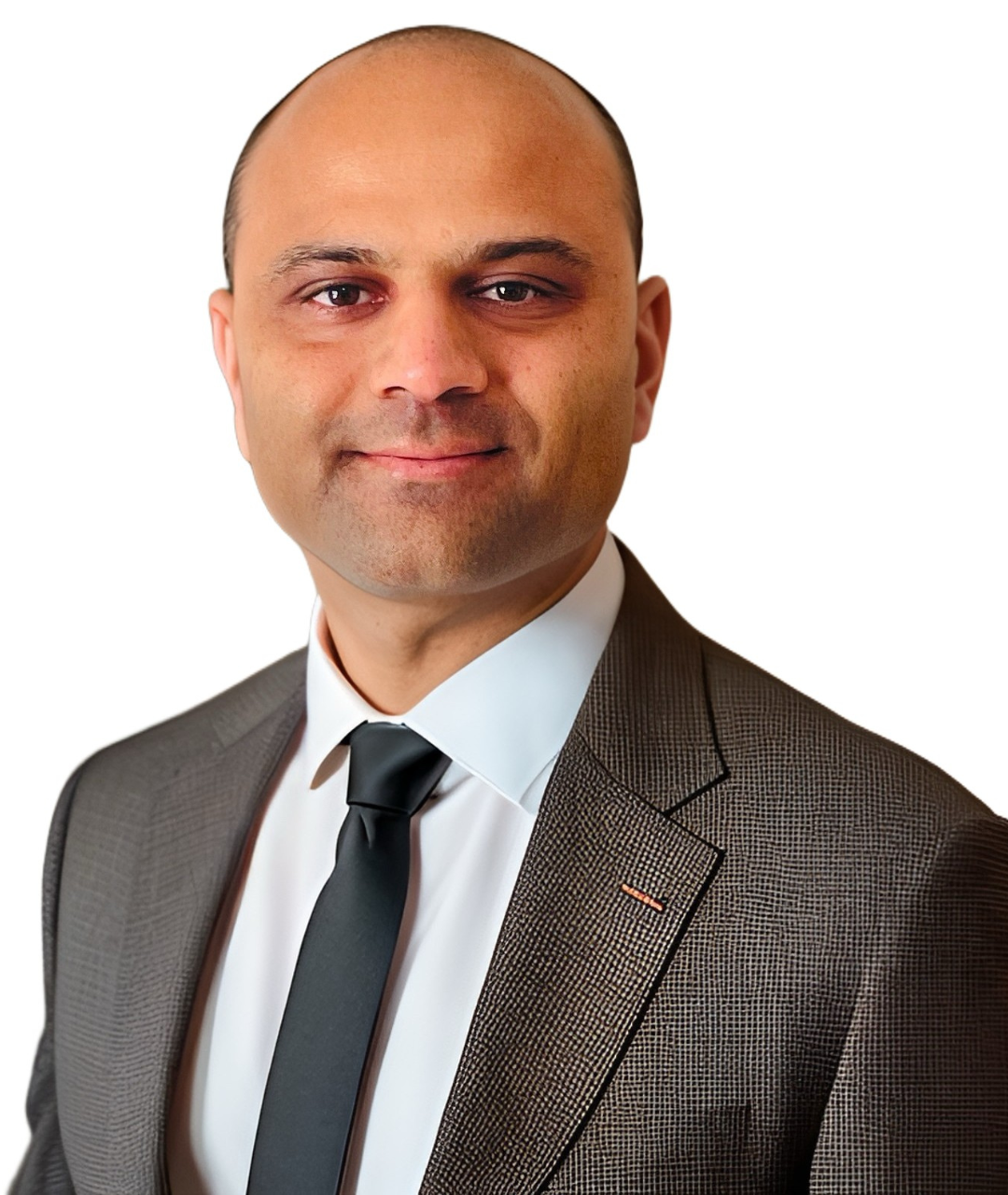
Hirenkumar N Dholariya

His portfolio includes architecting AI-driven platforms such as Gene.AI, building intelligent customer analytics frameworks, leading large-scale cloud modernization programs, and...

Lalit Kumar

Professor and Head of the Department of Computer Science and Applications at School of Computing Science & Engineering, IILM University...
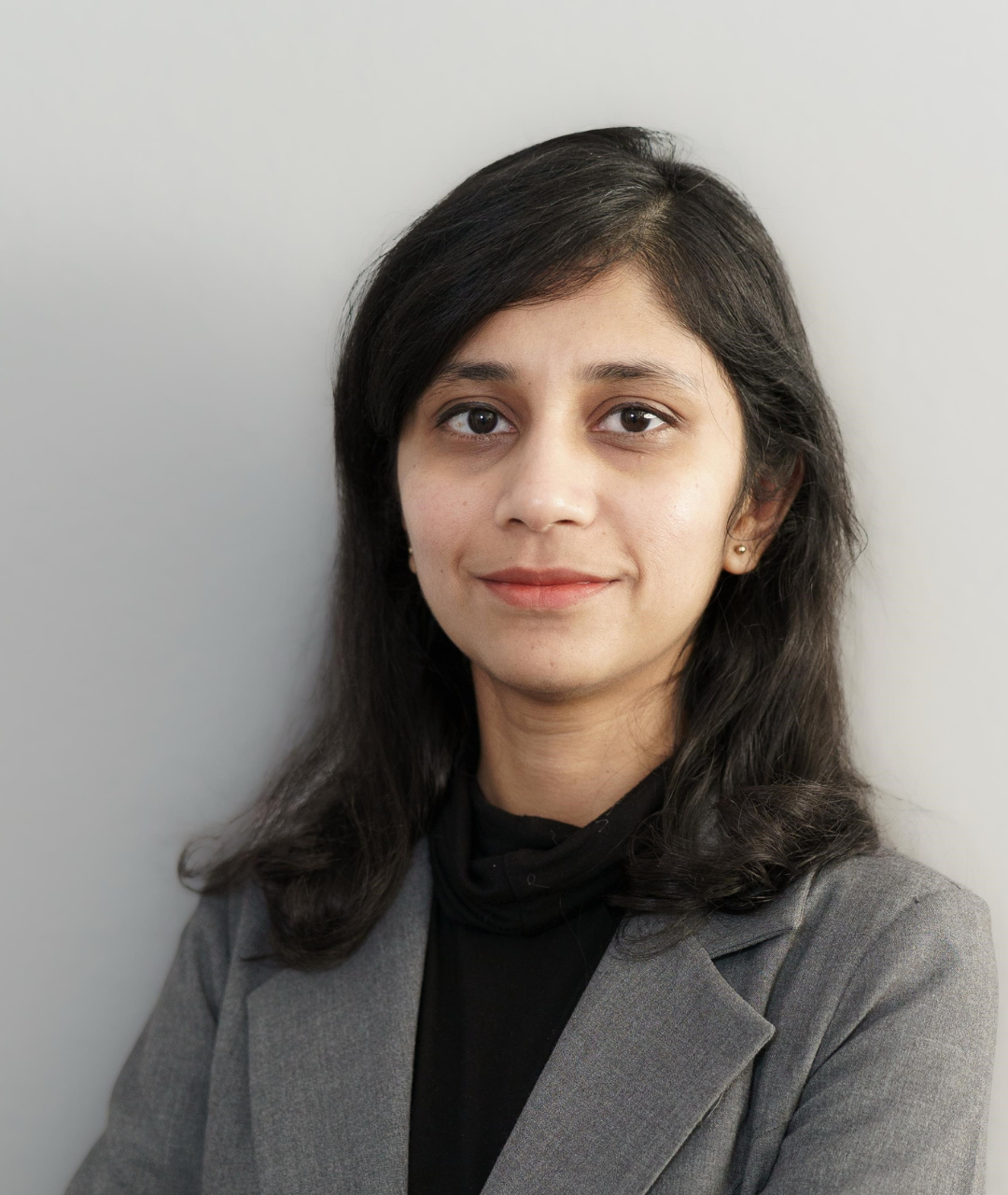
Dreema Patel

Led analytics-driven funnel optimization and A/B experimentation to recover and stabilize an initial ~3% sign-in conversion decline post-launch; partnered cross-functionally...

Abhishek Kumar

I am an AI and data professional at Kuehne+Nagel with experience across global logistics, enterprise data engineering, analytics, cloud platforms,...
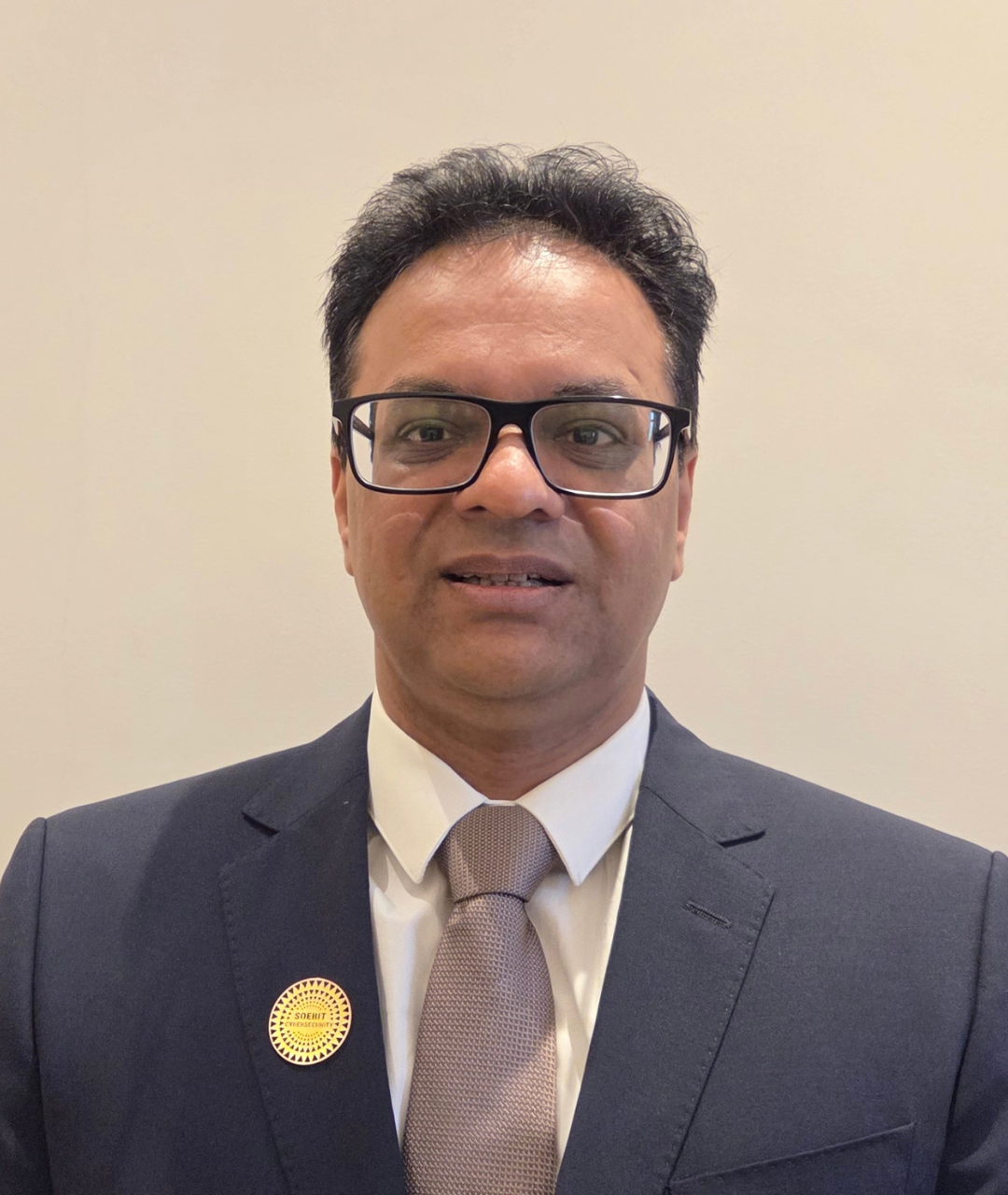
Soenil Soebedar

Working as freelance Cryptography Architect & PKI Specialist for Government of Defence (DoD) in The Netherlands.
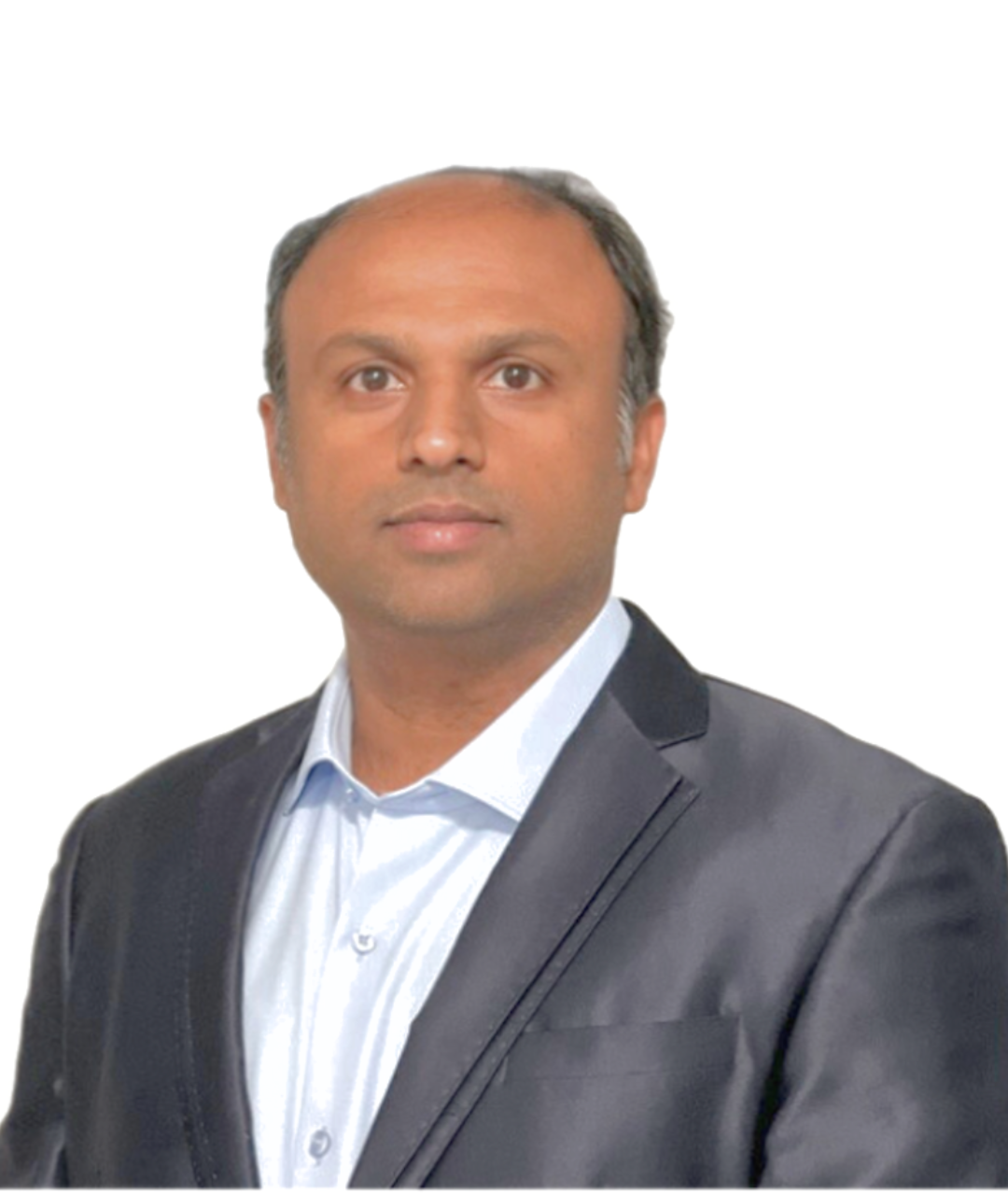
Kishore Subramanya Hebbar

Over 17 years of experience at the intersection of enterprise software architecture and financial systems engineering, Kishore specializes in applying...

Riddhi Patel

Her professional experience includes customized Android operating-system development for healthcare devices, Bluetooth integration with connected medical equipment, secure offline clinical-data...

Pascal Lorenz

Quality of Service (QoS) Wireless Networks High-Speed Networks Computer Networks Communication Systems Network Security

Hemant Soni

Architected and deployed Pinpoint AI Decisioning Platform processing 15-20 million customer eligibility decisions monthly, leveraging reinforcement learning algorithms (first RL...
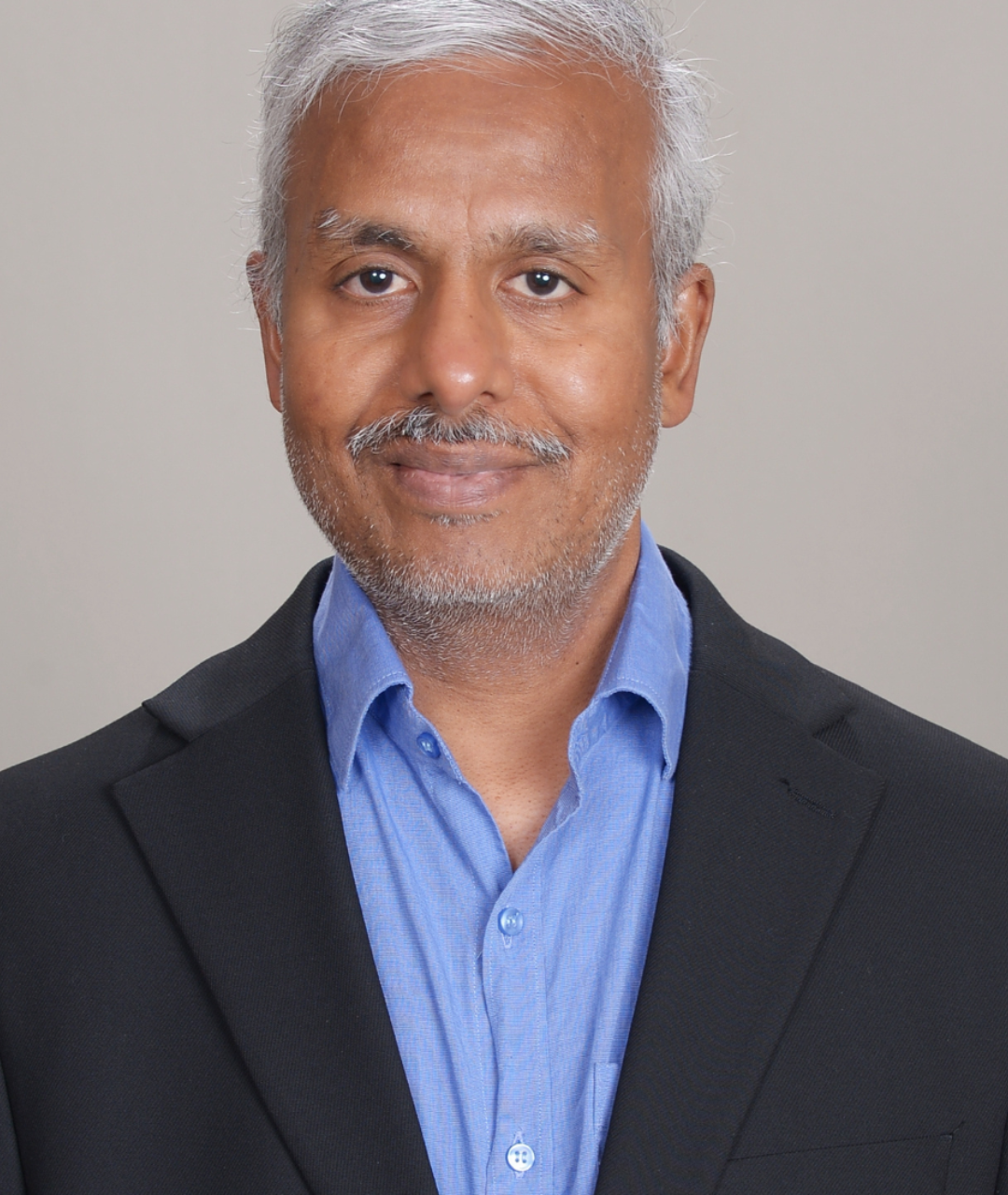
Vasudevan Ananthakrishnan

Vasudevan Ananthakrishnan is an accomplished IT Project and Technical Manager with more than 25 years of experience delivering enterprise-scale technology...

For registration, abstract submission, speaker participation, or venue coordination, email our support team or submit your query through the online contact form.

KYNEXA Global Conferences connects researchers, academicians, industry experts, and innovators through world-class international conferences that foster knowledge sharing, collaboration, and scientific excellence.

Copyright © 2026 kynexaconferences